

How to Pose for a Professional Headshot: 10 Expert Tips From a Vancouver Photographer
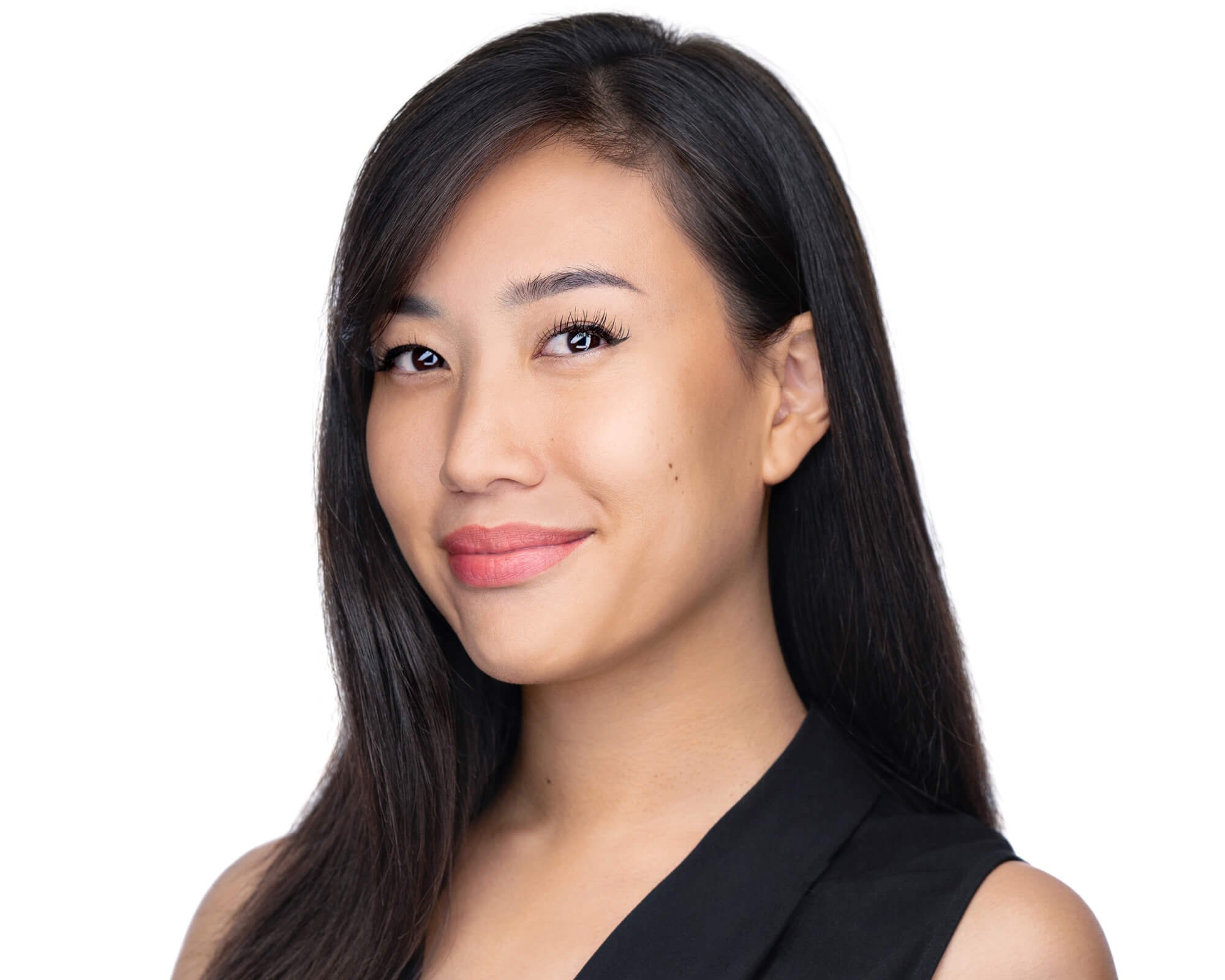
Whether you're updating your LinkedIn profile, refreshing your company bio, or preparing for a speaking engagement, a great headshot makes a real difference. But when the session is booked, and the camera comes out, one question tends to surface: "How do I pose for a professional headshot?"
If you're not a model or actor, that's completely normal — and you're not alone. The good news is that you don't need any prior experience to look great. A skilled professional headshot photographer will guide you through every pose and expression on the day. But understanding the fundamentals before you arrive can take the nerves down a notch and help you feel genuinely prepared.
Here are 10 practical posing tips to help you nail your headshot session.
1. Start With Your Posture — It Sets the Tone for Everything
The foundation of any great headshot pose is good posture. It communicates confidence, authority, and presence — even if you're feeling nervous on the inside.
Try this:
Sit or stand tall, as if a string is gently pulling you upward from the crown of your head.
Pull your shoulders down and back — think about softly pinching your shoulder blades together.
Avoid shrugging your shoulders upward; it reads as tension on camera.
Don't lean too far forward, back, or to either side — even a subtle lean can look exaggerated in a photo.
You may not feel the difference between a straight spine and a slouched one, but the camera absolutely will. Your photographer will keep an eye on this and nudge you into the right position throughout the session.
2. The Chin Trick That Eliminates Double Chins
One of the most common headshot posing concerns is the dreaded double chin — even for people who don't have one in real life. The good news is there's a simple fix that works every time.
Try this:
Push your face forward toward the camera. Think of the first half of a chicken impression — the head moves forward, not back.
Then drop your chin slightly downward.
This combination extends and sharpens the jaw, creating natural definition. It feels completely awkward in the moment, but the results speak for themselves. Trust the process — and trust your photographer to tell you when it's working.
What to avoid: Raising your chin too high (common in fashion modelling, but works against you in headshots) and pulling your head back (this compresses the neck and creates the very double-chin effect you're trying to avoid).
3. Eyes: How to Create Real Connection Through the Lens

Eyes are the most powerful element in any headshot. A confident, engaged expression almost always starts there.
Try this:
Keep your gaze directly on the lens — not the screen, not the photographer's face, the lens. This creates direct eye contact with anyone who views your photo.
Imagine making eye contact with someone you want to impress — confident, calm, and engaged.
Try a soft squint: a gentle narrowing of the eyes (think 50% Clint Eastwood, never 100%). It adds depth and eliminates the wide-eyed, deer-in-headlights look.
Avoid staring blankly or with eyes wide open. A slight squint reads as self-assurance; wide eyes read as surprise.
4. Your Smile: Natural Always Beats Performative
There is no universal "correct" smile for a professional headshot. Some people look incredible with a full, open smile. Others are more compelling with a subtle, closed-mouth expression. The key is authenticity — a smile that feels real rather than performed.
Try this:
Think of something genuinely funny, or someone who makes you happy, just before the shutter fires.
Try a "subtle smile" — lips softly together, with warmth in both your mouth and your eyes.
Let your photographer guide you. Good headshot photographers have specific techniques to elicit genuine expressions without forcing them.
What to avoid: The "say cheese" face — a wide, forced smile that tightens your jaw and reads as strained. Also avoid pursing your lips in an attempt to control your expression; it looks guarded rather than polished.
5. What to Do With Your Hands
Most professional headshots are framed at the chest or shoulders, so hands won't always be visible. But if your photographer is shooting a wider frame — common for personal branding photography or environmental portraits — hand placement matters.
Try this:
Cross your arms lightly (not tightly — tight looks defensive).
Put your hands in your pockets with your elbows at a natural angle.
Rest your hands on a table or chair if seated.
Keep everything relaxed — no clenched fists or white-knuckled grips.
Hands that look tense signal tension overall. Loose, natural hand placement keeps the focus where it belongs: your face.
6. Use Angles — Almost Nobody Looks Their Best Dead-On
A straight-on, front-facing pose is rarely the most flattering angle. A subtle rotation can slim the frame, add depth, and make the image feel more dynamic.
Try this:
Turn your body about 10–45 degrees away from the camera.
Test both sides — most people have a naturally preferred "good side," even if they don't know which one it is yet.
Think about how the angle affects the perceived width of your shoulders and jaw.
Your photographer will guide you here, but it's worth paying attention so you can replicate your best angle in future sessions — or even in video calls.
7. Relax Between Shots — Don't Hold a Pose

One of the most common mistakes people make during headshot sessions is holding a pose for too long. The longer you hold it, the more your face tightens and your expression stiffens. The best shots often come between poses.
Try this:
Drop the expression, shake out your shoulders, and reset regularly.
Wiggle your face to release tension — it sounds silly and works brilliantly.
If your smile starts to feel forced, stop smiling. A photographer would always rather reset than use a stiff shot.
Feel free to ask: "How's that looking?" — good photographers actively want you engaged in the process.
8. Prepare at Home — But Don't Overthink It
A little preparation goes a long way, and you can do a surprising amount of useful work before you even arrive at the studio.
Try this:
Spend five minutes in front of a mirror running through your posture, chin position, and smile.
Take a few selfies from different angles to identify which side you naturally prefer.
Ask a friend to take some casual shots of you in good light — not to use, just to get comfortable in front of a lens.
This kind of low-stakes practice builds familiarity and confidence. Pair it with reading up on how to prepare for your headshot session and you'll arrive genuinely ready.
Also worth reading:What to wear for a professional headshot — clothing choices have a bigger impact on the final image than most people expect.
9. Trust the Photographer — That's What They're There For
This is the most important posing tip of all: you don't need to figure this out on your own. That's exactly what a professional photographer is there for.
A great headshot photographer in Vancouver doesn't just point and shoot — they direct, coach, and create an environment where natural expressions can actually happen. This matters enormously because for most people, being in front of a camera is not a natural or relaxing experience.
What to expect from a professional headshot session:
Clear, specific posing directions throughout ("chin forward just a touch," "left shoulder back slightly")
Real-time feedback so you always know what's working
Genuine encouragement — not just generic cheerleading
A few well-timed jokes to keep the mood light
The goal is for you to leave feeling like yourself on camera, not like you were performing.
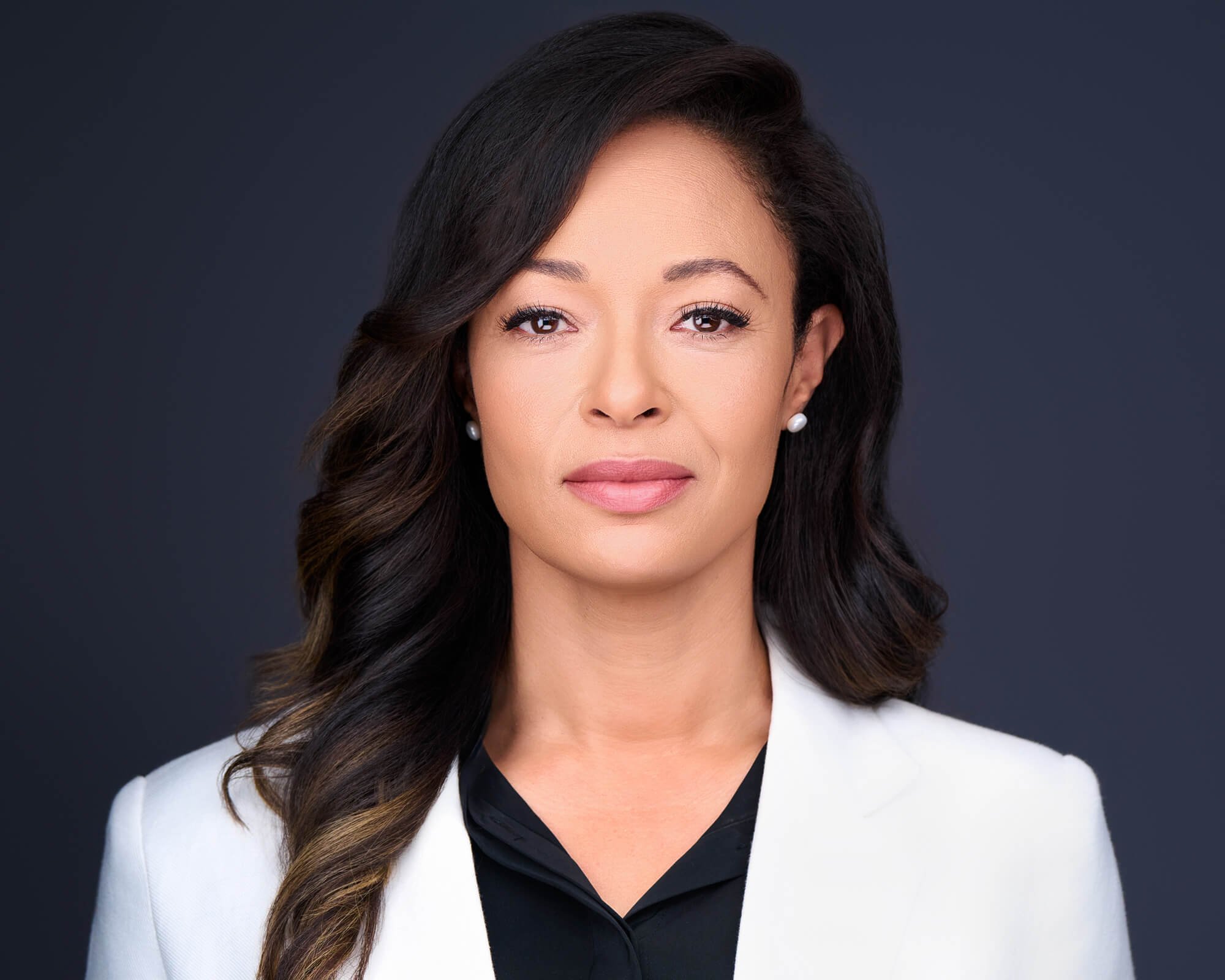
10. Expression Carries the Shot — Let It Reflect Your Brand
The most memorable headshots go beyond technical execution. What makes them work is expression — and that comes from knowing what you want to communicate before you even pick up the camera.
Ask yourself: what do you want people to feel when they see your headshot?
Approachable and warm? A genuine smile, open posture, and soft eyes.
Authoritative and confident? A composed expression, strong posture, and direct gaze.
Creative and relaxed? A hint of a smile, slightly asymmetric framing, natural energy.
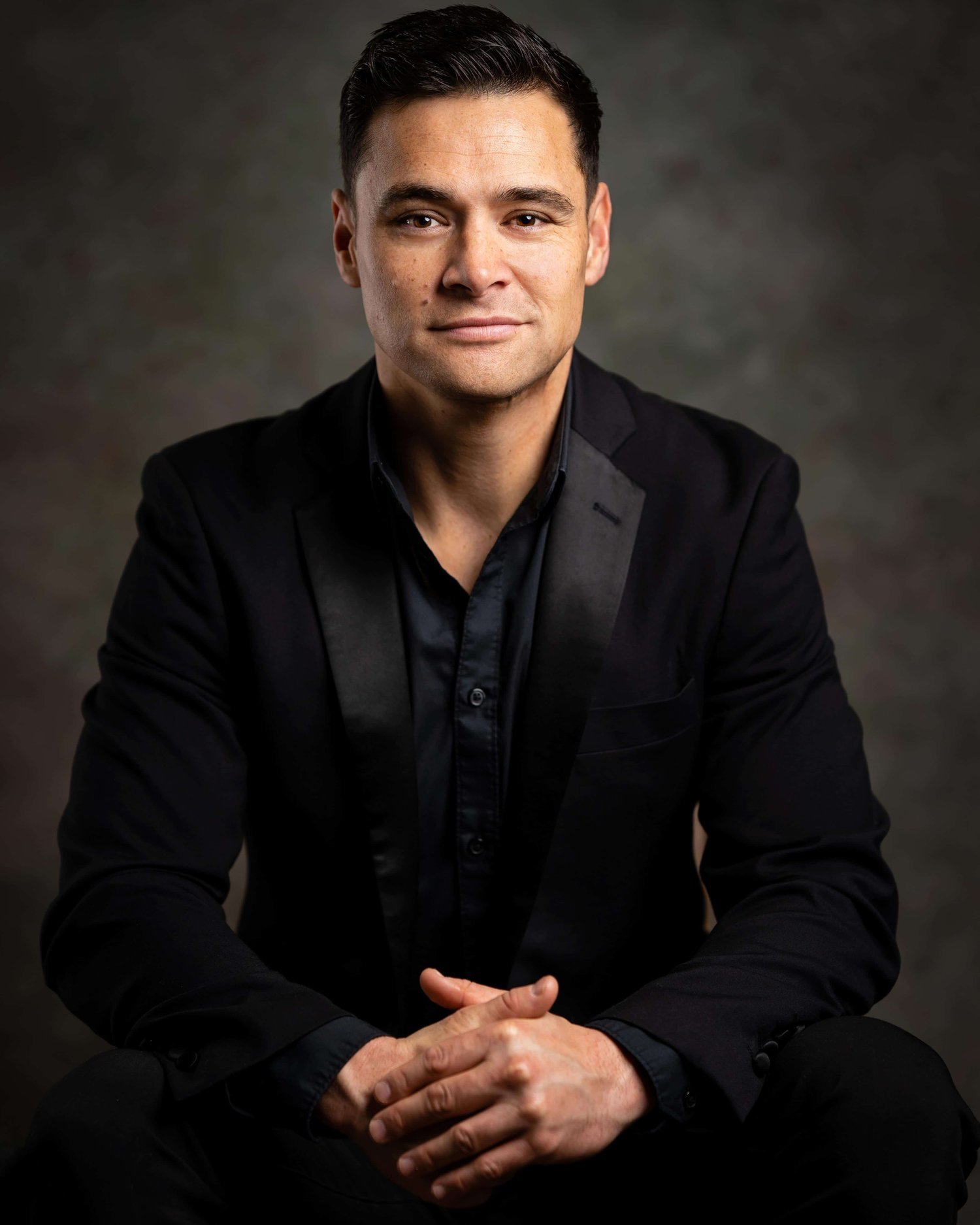
Your expression should match your role and your audience. An executive headshot for a financial services firm calls for something different than a LinkedIn headshot for a creative freelancer. Talk to your photographer about this before the session — it shapes every decision they make about pose, lighting, and direction.
Final Thoughts: Posing Is Less About Perfection, More About Presence
So, how do you pose for a professional headshot? You show up. You stand tall. You breathe. And you trust the process.
The best headshots aren't manufactured — they're drawn out by a photographer who knows what they're doing and creates the conditions for you to be genuinely yourself. The tips above will help you arrive prepared, but the real work happens in the room.
If you're curious what's possible, take a look at the headshot portfolio to see a range of real results from real people — most of whom were just as nervous as you before they started.
Ready to book? I work with professionals, executives, and entire corporate teams across Vancouver — whether you need an individual session or corporate team headshots. Get in touch here and we'll find the right session for you.
Frequently Asked Questions About Headshot Posing
Should I practise poses before my headshot session? A little practice helps — spend a few minutes in front of a mirror with your posture, chin position, and smile. But don't overdo it. Your photographer will guide you in the session, and over-rehearsed poses can look stiff. Read the full session prep guide here.
What angle is most flattering for a professional headshot? Most people look best at a slight angle — turning the body 10–30 degrees away from the camera while keeping the face toward the lens. This adds depth and avoids the flat, passport-photo effect of a straight-on shot. Your photographer will help you find your best side.
How do I avoid looking stiff or unnatural in my headshot? The biggest cause of stiff headshots is holding poses for too long. Reset regularly, shake out your shoulders between shots, and don't force your smile. The best expressions happen naturally — a good photographer will know how to bring them out.
What's the difference between a headshot and a portrait? A professional headshot is typically tightly framed (head and shoulders or chest up) and purpose-built for professional use — LinkedIn, company bios, press materials. A portrait is usually wider and more artistic. For most professional contexts, a headshot is what you need.
How do I know if my headshot photographer is good at directing people? Look at their portfolio — not just for technical quality, but for how natural and genuine the expressions look. Also check reviews. A great Vancouver headshot photographer will have a track record of making clients feel at ease. Learn more about how to choose the right headshot photographer.
Simon Rochfort is a professional headshot photographer based in Vancouver, BC, specialising in individual headshots, executive portraits, and corporate team photography. Learn more about Simon.