

The Most Underrated Skill in Headshot Photography Has Nothing to Do With Photography

Ask most photographers what makes a great headshot, and they'll talk about lighting. Rembrandt versus butterfly, two-light setups, the magic of a well-placed reflector. And yes, lighting matters. But after years of shooting corporate headshots and portraits in Vancouver, I've come to believe that lighting is actually one of the easier problems to solve.
The harder problem, the one most photographers either overlook or never fully crack, is the person standing in front of your camera.
Ask most photographers what makes a great headshot and they'll talk about lighting. Rembrandt versus butterfly, two-light setups, the magic of a well-placed reflector. And yes, lighting matters. But after years of shooting corporate headshots and portraits in Vancouver, I've come to believe that lighting is actually one of the easier problems to solve.
The harder problem, the one most photographers either overlook or never fully crack, is the person standing in front of your camera.
Your client is not a model. They haven't spent years learning how to move their body, hold their face, or project confidence on cue. In all likelihood, the last time they had their photo taken was at a wedding or a party with a drink in hand, surrounded by people they love. That is a fundamentally different experience from standing stone-cold sober on a Monday afternoon, alone in front of a white backdrop, knowing the result will live on their company website.
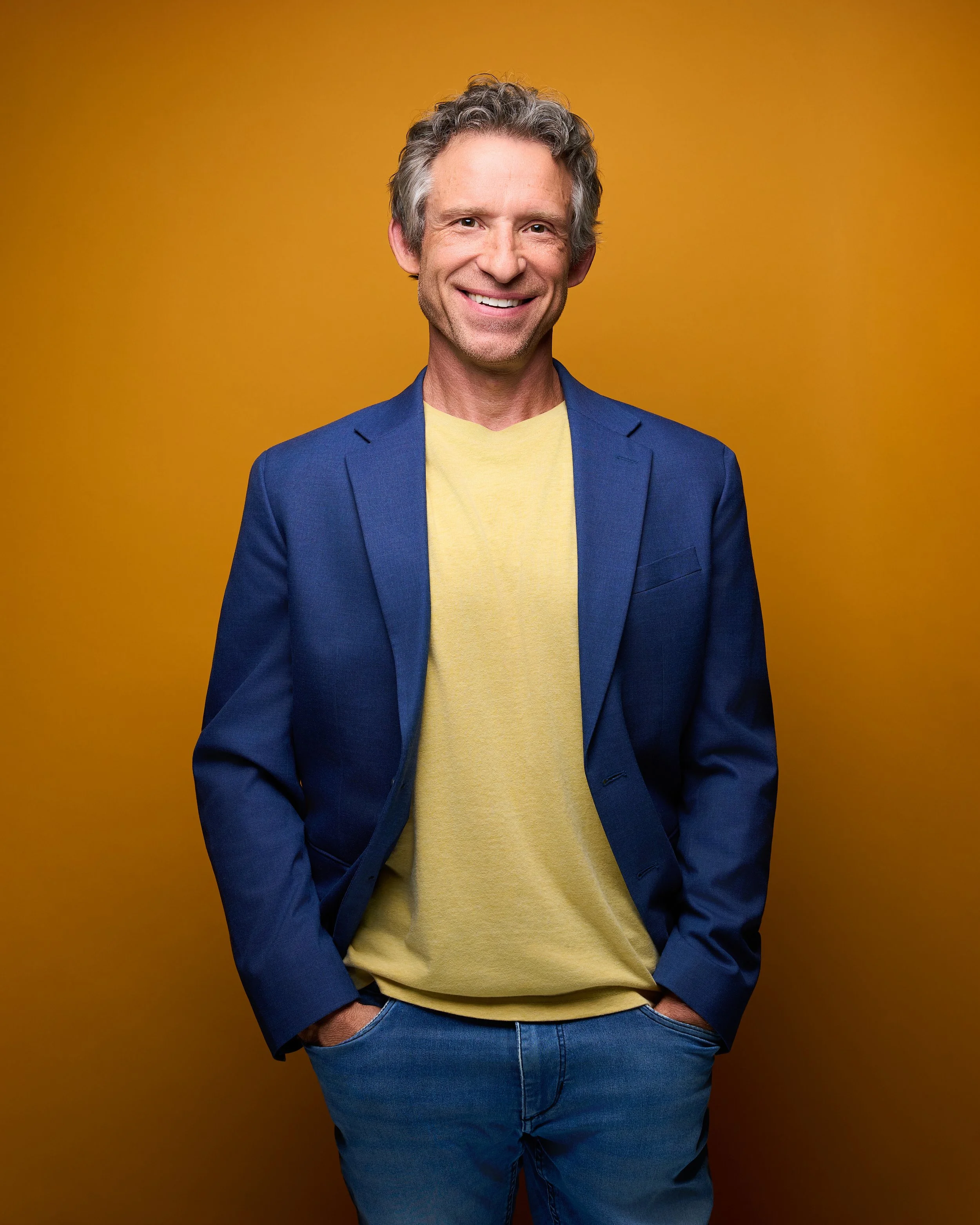
For a lot of people, that situation lands somewhere between public speaking and a dentist appointment on the anxiety scale. And yet many photographers walk into that dynamic completely unprepared to deal with it, because they've spent all their preparation time thinking about lighting, framing and focal lengths.
The skill that actually separates good headshot photographers from great ones is the ability to read people, put them at ease, and adapt in real time to whoever is standing in front of you. It's a people skill. A psychology skill. And it's almost never talked about.
The first step is simply acknowledging the reality of the situation. When a client walks into your studio, tell them plainly that they don't need to know what they're doing; that's your job. That one statement does something important: it transfers the mental burden from them to you. They stop asking themselves what do I do with my hands and start trusting that you'll tell them. Nerves drop. Shoulders loosen. You haven't even picked up the camera yet and you're already getting better images.
From there, give them time. Find out why they're getting the headshot done, what they're using it for, what their specific anxieties are. Walk them through the process — the lights, the camera, the editing. The more a person understands what's happening, the less threatening it feels. This isn't small talk. It's groundwork.
But here's where a lot of photographers make a second mistake: they borrow someone else's playbook for putting clients at ease. There are some genuinely brilliant headshot photographers in the world with distinctive, memorable ways of working. Watch them and it's tempting to think, I'll just do that. The problem is that their approach works because it's authentically theirs. A borrowed version of someone else's personality is just a pale imitation, and clients can feel the difference.
The better path is to figure out your own natural way of connecting with people. What's your sense of humour? How do you actually make someone relax or laugh? What kind of direction lands well coming from you specifically? It takes time and a willingness to pay attention, to notice what gets a reaction and what falls flat. This does take time, but eventually, you build something that's genuinely yours, and because every client is new to you, you can use the same material again and again without it ever feeling stale.
Once you have that foundation, the real work is flexibility. You might walk into a session with high energy and find someone who needs quiet reassurance. You might expect a nervous client and get someone who's raring to go. The ability to read the room and actually adjust your approach, not just fake personal interest, is what keeps a session on track.

That flexibility extends to the images themselves. I have a sense of what tends to look good: a certain posture, a particular angle. But I've had clients who didn't want any of it, and who were completely right not to. They're the ones who have to live with the photo. My job is to help them look like the best version of themselves, not the best version of my aesthetic preferences. When you truly recognize that it is a fact of fundamental importance and apply it, something shifts in how you work and your clients feel it.
None of this is to say that lighting, composition, or technical skill don't matter. Of course they do. But they're table stakes. Every competent photographer has them. What's rarer and what clients will actually remember and talk about is how you made them feel in that room.
That's the underrated skill. And the good news is that unlike lighting, it doesn't require any equipment. It just requires paying attention to the person in front of you.
Simon Rochfort is a headshot and portrait photographer based in Vancouver, BC.