

The email came in on a Tuesday. "I need a quick LinkedIn headshot. Professional, simple, and I don't have much time. Can we schedule this week?"
No questions about lighting or backdrops. No mention of wanting to "feel comfortable" or "explore different looks." Just: tell me when, tell me what to wear, let's get it done.
I recognized the situation immediately. Not because the message was unfriendly — it wasn't. But because I've received some version of it dozens of times. The person writing it doesn't want a creative experience. They're not interested in small talk. They see a professional headshot session roughly the way most people see an oil change — necessary, not something to get excited about, and ideally finished before lunch.
That's perfectly fine. In fact, it's more than fine. It's a type of client I genuinely enjoy working with, once I understood what they actually needed.
The Mistake Most Photographers Make
When someone seems tense or closed-off before a shoot, the instinctive response — for a lot of photographers — is to compensate. Turn up the warmth. Crack more jokes. Ask more questions. Put on louder music. Essentially, try to perform enthusiasm until the client catches it.
It doesn't work. And in my experience, it makes things worse.
The quiet client doesn't need you to be extra friendly. They need you to be efficient and clear. There's a difference between someone who's nervous about being photographed and someone who simply operates at a lower social temperature. Treating both the same way — with a high-energy, let's-have-fun approach — misreads what the second person is actually telling you.
Some people aren't uneasy because they're nervous. They're uneasy because you're treating them like everyone else.
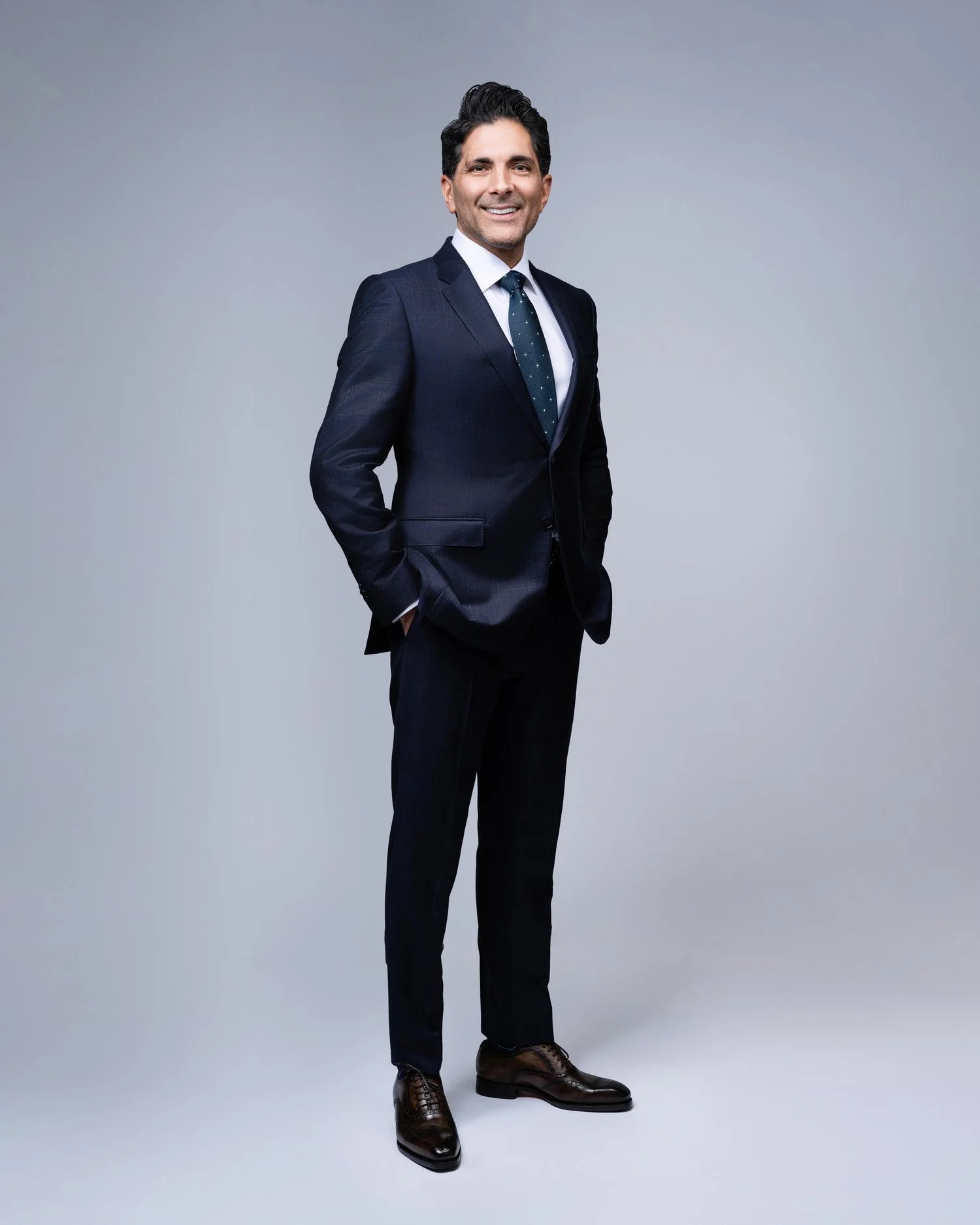
What Quiet Clients Actually Need
For quiet clients, connection doesn't mean warmth — it means clarity. They want to know what's going to happen, in what order, and roughly how long it will take. Then they want you to follow through on that without deviation or filler.
My opening with a quiet client sounds something like this:
"We'll start with a few test shots to warm up the lighting and get you settled. Then I'll walk you through a couple of posture adjustments — nothing complicated. After that, I'll give you small, specific directions as we go: turn your head slightly, lower your chin, push your forehead forward a little. It feels odd but it photographs well. We'll be done in about twenty minutes."
That's it. No pep talk. No "you're going to love this!" No lingering on whether they're comfortable. Just a clear, honest preview of what's about to happen.
What this does — and it's subtle — is remove the uncertainty. Uncertainty is what creates tension. If you don't know what someone is about to ask you to do, your body holds onto that not-knowing. Give someone a map and they can stop bracing for whatever might come next.
Give Feedback That Actually Helps
The other thing quiet clients respond to well is specific direction — not vague encouragement.
"Keep doing what you're doing" is not helpful feedback. It tells someone nothing except that you've run out of useful things to say. But "turn your head half an inch to the right and lower your chin slightly" is something they can actually do. It's a small task with a clear outcome, and completing it gives them a sense of progress rather than a sense of performing.
Quiet clients tend to be goal-oriented. They're not in the studio to have an experience — they're there to get a result. Specific directions give them something to aim for, which is exactly how they prefer to work. Vague feedback asks them to intuit what you want, and intuiting an ambiguous social situation is precisely the thing they find tiring.
I also find that quiet clients respond well to honesty. If a shot isn't working — if the angle is slightly off or the light isn't landing right — I'll say so directly. "That's not quite right, let me adjust and we'll try again." They don't want to be managed. They don't want you to pretend a mediocre frame is fine. They can usually tell when something isn't working, and if you acknowledge it and move on quickly, they trust you. If you oversell a bad shot, they quietly stop trusting your judgment.
Pacing: Give Them Room to Settle
One of the habits I had to unlearn early on was the impulse to keep talking between shots. Filling silence with commentary feels generous — it seems like you're keeping the energy up, staying engaged, making the client feel attended to. But for quiet clients, it's exhausting. It's a constant demand to be "on" when they'd rather just breathe for a second and try again.
A better rhythm is: take a handful of shots, pause, give one or two specific adjustments, take more shots. Let them settle into the process rather than always being redirected. People stop being self-conscious about the camera when they stop having to process new instructions every five seconds. And when people stop being self-conscious, their face does what it's supposed to do.
It's a less theatrical session. But the images are better for it.
The Part No One Mentions
Here's something I've noticed consistently: quiet clients often leave the most satisfied.
They came in expecting the worst. They've probably had a LinkedIn headshot or corporate photo taken before — one where they felt stiff and self-conscious and the final image confirmed every fear they had about how they photograph. They're arriving at my studio with low expectations and a clear exit strategy.
But when the session is calm, efficient, and direct — when no one is asking them to perform anything, when the directions are clear and the results are visibly good — something relaxes. Not dramatically. They're not going to suddenly love being photographed. But they stop bracing, and the photographs catch them as they actually are rather than as a person who is visibly enduring a photo session.
People look their best when they're not being asked to act differently than they are. That's true in portraits, in conversations, and in most situations worth anything. A quiet client in an honest session looks infinitely better than an extroverted client being pushed to perform for a camera they don't trust.
If you're someone who's been putting off getting a professional headshot because you assume it will be awkward or the results won't look like you — this is me telling you directly: the dread is usually worse than the session. Especially when the photographer isn't trying to turn you into someone you're not.
A Different Kind of Challenge
I'll be honest: I find working with quiet clients genuinely interesting in a way I didn't expect when I started.
There's a specific skill in getting a great image from someone who is giving you very little to work with expressively — not because they're unhappy, but because that's how they hold themselves in unfamiliar situations. You can't rely on rapport and banter to put them at ease. You have to earn their trust through competence: by being exactly as efficient as you promised, by delivering feedback that's actually useful, and by producing an image that looks like them at their best.
When it works — and it works reliably when you approach it correctly — the result is a portrait that has a quiet authority to it. Not performed confidence. Actual confidence, caught in a person who wasn't trying to project anything.
That's a harder thing to manufacture than a bright smile. And it tends to be the kind of headshot that works for years rather than months.
If you'd like to know more about how to prepare for your headshot session, or you want to see examples of the kind of work I'm describing, take a look at the headshot portfolio. And if you're still not sure what you're getting yourself into, the guide on how to pose for a professional headshot might take some of the mystery out of it before you arrive.
Frequently Asked Questions
What if I'm really nervous about being photographed — will the headshot still look good?
Almost always, yes — and often better than people expect. The nervousness you feel internally rarely shows in the way you fear it does. What does show is tension held in the jaw, shoulders, or eyes, and those are things a good photographer will actively work to release through pacing, clear direction, and not making a big deal out of them. Many of the strongest headshots I've taken have been with clients who described themselves as hopeless in front of a camera. For more on this, the guide on how to prepare for your headshot session is a good read before you come in.
How long does a headshot session take for someone who just wants to get it done quickly?
A focused professional headshot session can be completed in 20–30 minutes. You don't need an hour of "exploring different looks" if you know what you want and you just want clean, professional results. I tailor the pace to the person — if you want it efficient, it will be efficient.
I've had bad headshots before where I looked stiff and awkward. How is this different?
Usually, stiff and awkward headshots come from a mismatch between how the photographer is directing and how the subject processes direction. If you respond better to calm, clear, specific instructions than to high-energy enthusiasm, a session built around that approach produces a fundamentally different result. View the headshot portfolio and you'll see that the expressions in the images reflect people who are at ease, not people who are performing ease.
Do I need to smile in my headshot?
No. A natural, confident expression — whether that includes a smile or not — is always more effective than a forced one. Some people look best with a warm, open smile. Others look stronger with a composed, direct expression. The right answer depends entirely on you, your industry, and how you want to come across. I'll never ask you to do something that doesn't look like you. See the post on how to pose for a professional headshot for more on expression and what works in practice.
How do I book a session if I'm not sure what I need?
The easiest way is to get in touch with a quick note about what the headshot is for — LinkedIn, a company website, a speaker bio, or general professional use. From there I can recommend the right session type and answer any questions before you commit. You can also take a look at headshot pricing in Vancouver if you'd like to get a sense of costs before reaching out.
If this sounds like the kind of session you've been looking for — calm, direct, no performance required — book your headshot session or get in touch and we'll take it from there. No pressure. Efficiently.